
About the project
Why braunitoid treats a rainy stretch as its own part of the trip
We started because too many travel days disappeared into waiting rooms and radar refreshes. This page explains how the project took shape, how we check what we publish, and how a consultation is built before anyone leaves the table.
How the project began
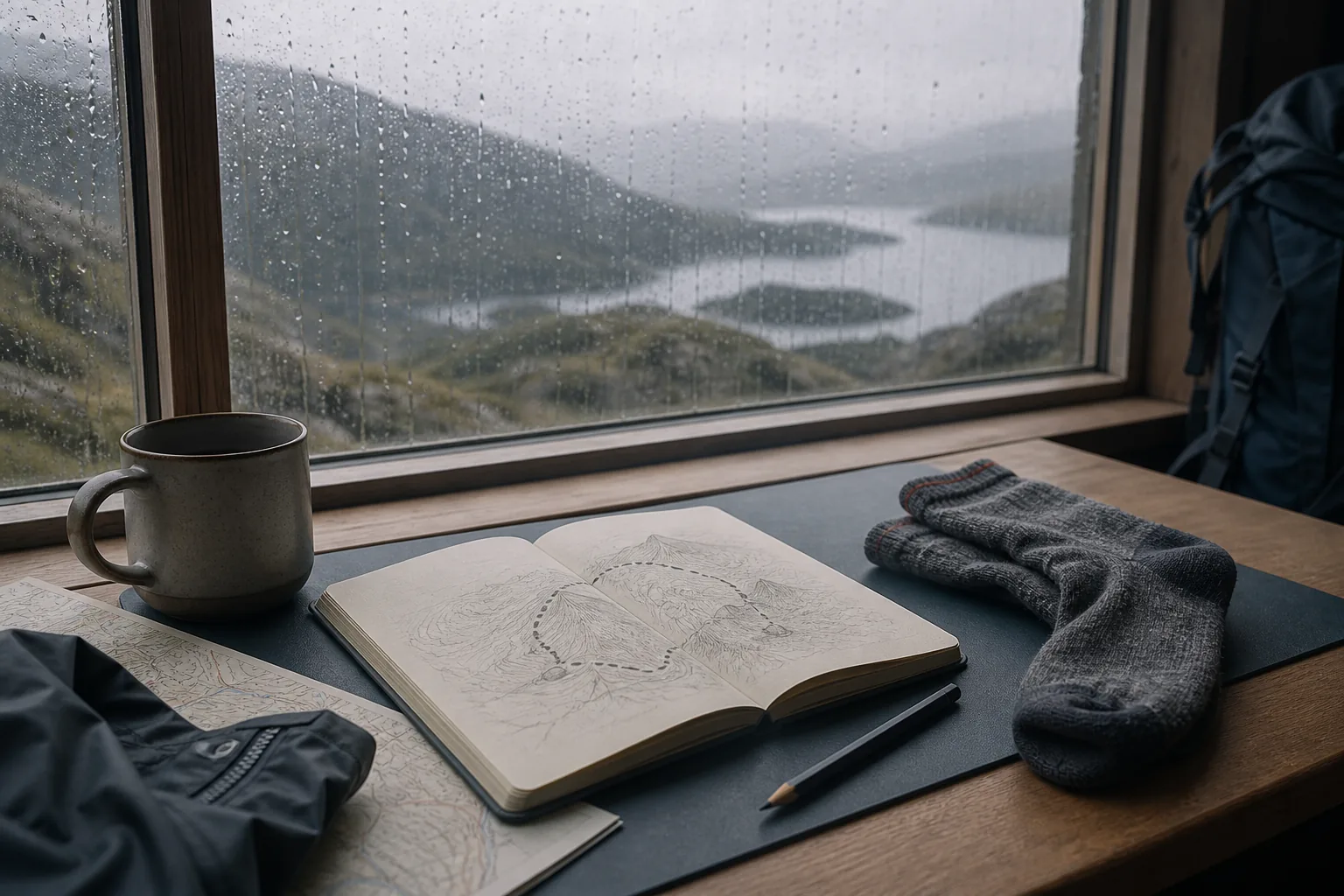
The first notes were not meant for a website. They were morning lists written for friends who kept cancelling outdoor loops the moment the pavement darkened. The same pattern repeated: a good dry plan, a wet forecast, then hours spent hoping the next half hour would look kinder. By afternoon the indoor rooms were crowded and the outdoor stretch was still unpleasant. Nobody lacked an umbrella. What they lacked was an order of decisions that could be made while shoes were still dry.
We chose this narrow theme because wet days expose habits that sunny guides rarely mention. Door mats fill. Covered corners become contested. Transport slips. Photographs go flat. The day is not ruined by water alone; it is spent by a pause that never quite ends. Writing about rain as a separate chapter of the trip let us keep the advice concrete: what to keep, what to move, which roof to name in advance, and when an earlier night is the honest finish.
braunitoid grew from those lists into published notes and one-to-one consultations. We do not sell bookings or run a live weather desk from this site. We document sequences that have held up across different stays, then help travellers adapt them to their own pace. The tone stays plain on purpose. A rebuilt day is not a consolation prize; it is how the hours stay usable when the sky does not match the brochure.
That origin still shapes every page. If a tip cannot be checked against a real doorway, a real kit list, or a real morning rewrite, it does not leave the draft folder. The goal is not to make rain charming. The goal is to keep travellers from treating a wet stretch as a cancelled day.
How we gather and check information
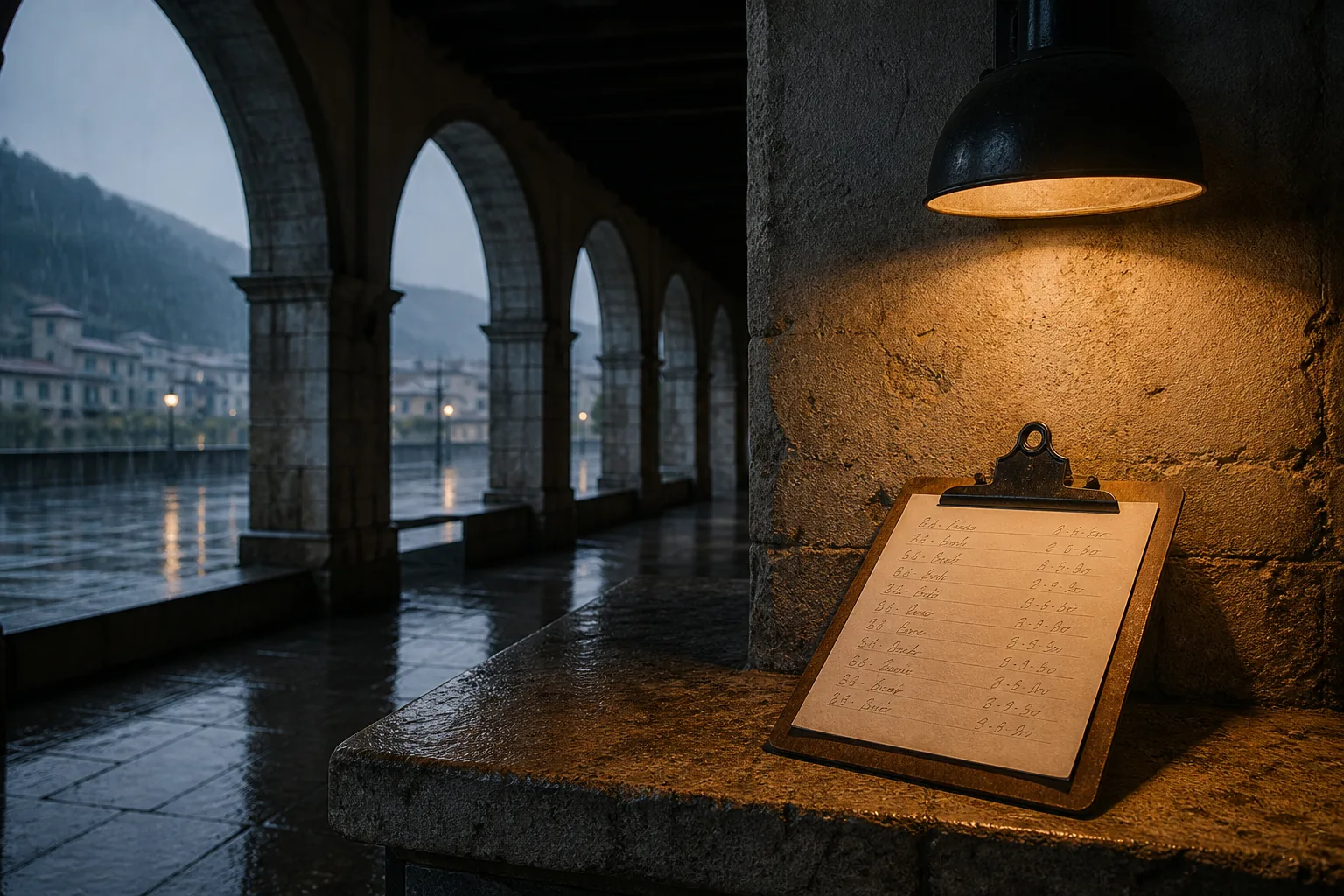
Every published note begins with a dated field observation: what stayed in the plan, what moved, how long a covered pause stayed civil, and what failed. We compare those observations across trips before we generalise. A single lucky doorway does not become a rule. A pattern that repeats under different crowds and different opening hours can.
Before a draft goes live, a second editor challenges the sequence. They ask whether the morning rewrite can be done at a table, whether the kit list assumes perfect gear, and whether the named roofs would block other people if everyone used them the same way. Claims about health, cold, or exhaustion are cut. Those questions belong with qualified professionals, not with a travel note.
We also re-check practical details that change between stays: entry lines, floor conditions after rain, and whether a waiting hall still allows a short reset. When we cannot verify a detail, we say so and point readers to ask venues and carriers directly. Partner briefings from groups such as the Coastal Walks Observatory and the Heritage Interpretation Association inform our training; they do not replace on-the-ground checks.
Updates happen when a sequence stops working, not on a fixed calendar. If a compact loop suddenly depends on a closed arcade, the article is revised or withdrawn until we have a replacement that does not invent comfort the place no longer offers.
From first question to a usable wet-day plan
A consultation is a structured rewrite, not a promise that the rain will feel pleasant. These are the steps we walk through before anyone steps outside.
-
Clarify the weather shape
We sort the day into one of four shapes: short shower, wet morning, full damp stretch, or rain only toward evening. Each shape asks for a different first move. Guessing the wrong shape is how people keep the outdoor loop and lose the afternoon.
-
Keep, move, or drop
Indoor rooms that still open on time stay. Long viewpoints and waterfront walks move. Stops that only work in bright light are dropped without apology. The rewrite happens at the table, while coats are still dry.
-
Name kit and roofs
Spare socks, a layer that still works damp, and shoes you can walk in after they darken. Then two covered pauses you can reach without inventing a third “bonus” courtyard on the way. Distance is what wet days punish.
-
Set an honest finish
If the rain is still loud at dusk, the evening plan includes drying shoes, hanging the outer layer where air moves, and an earlier night. Ending on time, slightly damp, is a better result than another hour of radar watching.
How we ask travellers to treat a place in the rain
Wet weather concentrates people under fewer roofs. A pause that feels private to you can close the only dry strip for someone else. We ask readers to treat covered corners as shared floors: stay long enough to reset, not long enough to claim the bench with bags.
Doorways deserve the same care. Shake water before the mat. Leave space for the door to open. Do not wring sleeves onto the threshold where the next person must step. The puddle at the entrance is not decoration; it is how others enter after you.
Local order matters more when streets are slick and indoor rooms are busy. Follow posted rules, keep voices down in foyers that double as waiting halls, and do not invent shortcuts across closed courtyards because the map looked shorter. If a space is already tight, walk to the next named roof rather than adding bodies to the first one.
These manners are not decoration for the guide. They are part of keeping a wet day workable for the people who live and work where you are passing through. A rebuilt itinerary that ignores them is only half finished.

Partners we learn from, and how we choose them
We work with training and briefing sources that take visitor flow and outdoor systems seriously. Names below are organisations we use for education and field methods; they do not endorse a specific itinerary of yours.
- Coastal Walks Observatory
- Supplies the Rain-Day Field Notes program we use to date observations and compare weather shapes across trips. We keep them when their methods stay checkable against real loops, not when they drift into scenic slogans.
- Heritage Interpretation Association
- Hosts the Visitor Flow Seminar that shapes how Priya maps crowded roofs and indoor wayfinding. We rely on their briefings when they prioritise shared space over spectacle.
- Outdoor Gear Educators Guild
- Runs the Pack Systems Workshop behind Marcus’s kit lists. We stay with them while their tests still include damp socks, darkened shoes, and layers that work after rain — not catalogues of perfect conditions.
- City Movement Lab
- Provides indoor wayfinding certificates and corridor studies that help us judge whether a foyer can hold a short pause. We drop a source the moment its advice assumes empty halls that wet days never deliver.
A partner earns a place on this list by surviving a second look under rain, not by looking impressive on a dry brochure day.
Talk through your wet-day sequence
If you want help rewriting a morning loop, naming roofs, or choosing a first soaked day that can still end on time, write to the desk. We consult; we do not invent a booking platform on this site.
Read the current notes
Published articles walk through morning rebuilds, kit for wet feet, covered pauses, and first soaked days — without repeating the same sunny-day script.
How to read these materials
braunitoid provides knowledge about wet-day travel choices and offers consultations on this part of a trip. The pages are here so you can become familiar with our approach before you write to us. They are not a substitute for local rules, opening hours, transport notices, or advice from qualified professionals about health, cold, or exhaustion.
Weather, crowds, floor conditions, and entry requirements change from one stay to the next. A sequence that worked on a previous visit can fail on the following one. Check the current details directly with venues, carriers, and lodging before you rely on any note you read here.
- Decisions about where you walk, what you carry, and when you turn back are yours. We are not responsible for choices you make after reading the site or after a conversation with the team.
- Nothing on these pages should be read as a promise that a wet day will still feel pleasant, that a view will appear, or that a plan will survive contact with a closed door.
- If you have questions about feeling cold, tired, or unwell, speak with a qualified professional. A travel editor is the wrong person for that conversation.
- Partner names such as the Coastal Walks Observatory and the Heritage Interpretation Association describe training and briefing sources we use. They do not mean those groups endorse a specific itinerary of yours.